

Gallery Yoo
Let Art Be the Spark, and the Future a Canvas
The First Aesthetic Education Platform for the Youth of ChinaWhy we need to take child art seriously
By Molly Bretton
Head of Access, Families and Schools at the Royal Academy of Arts
Published on 26 June 2022
“My kid could have done that” is one of the oldest art clichés around – managing to both dismiss radical new ideas and slip in an assumption that children’s art is worthless, all in one cheap shot.
We tend to be comfortable with the idea that creating art has great psychological and educational benefits for young people – and adults, of course – and so we (rightly) encourage our children to create art for those reasons. But when it comes to what they actually make, we don’t often think of it as actual "art" (short, perhaps, of the odd child star who goes viral).
Children are masters of the make believe — in their minds chairs become horses, sofas become race cars, ladders become spaceships. Put a pencil in their hands and their art is equally spontaneous and playful. But this same instinctive creativity is what leads us to treat their creations as nothing more than keepsakes, or at best a temporary update for the fridge door.
We don’t expect to see children’s art in galleries unless it is to prove the prodigy of a famous artist, and there’s a distinct void of literature about the value of child art. That lack of visibility means that it’s hard for most of us to engage with – and that most wouldn’t even think to. Our culture just doesn’t have the building blocks for experiencing, appreciating and appraising art made by children.
If you dig even a little into the history of art, though, you will find a long line of artists who have admired and been inspired by the unique perspective of children and their work.
Let’s go back to the 18th and 19th centuries, when Romantics such as the painter Caspar David Friedrich and writers like Wordsworth and Coleridge promoted the idea that children could see the ‘truth of nature’ thanks to their "naive" perspective on the world. In John Ruskin’s The Elements of Drawing (1857) he encouraged artists to maintain an “innocence of the eye”, a freshness of vision that he called the “condition of childhood”.
When I was the age of these children, I could draw like Raphael. It took me many years to learn how to draw like these children.
Picasso
In the late 19th century there was another peak in artists' interests in children’s creativity. Reflecting the colonialist views of the time, primitivists such as Pablo Picasso and Paul Gauguin turned to non-Western art for inspiration as a way of breaking away from the stuffy, academic and over-cultivated Western art scene. They considered non-Western art less developed, closer to nature, and more "pure” or simple. They developed a style that they believed reflected this “simplicity”, and also looked to self-taught artists, folk art, and work made by children for inspiration. In this sense, childhood was seen as the ‘primitive’ prehistory of the adult.
Still – despite their positive view of children’s perspective and self-expression, child art was not thought of as “true art”. This was exclusively for adults, whose ability to analyse what they are doing and why they were doing it was, and still is, seen as key. This attitude hasn’t gone away; we still all too readily judge child art against our own adult standards.
As the 20th century went on, artists including Vasily Kandinsky, Joan Miró and Jean Debuffet avidly collected, studied and in some instances took quite specific cues from children’s art (which is where our kid-could-have-done-it cliché appears)
As Jonathan Fineberg describes in The Innocent Eye (1997), far from being offended by the comparison to child art, Expressionists, Cubists, Futurists and artists of the Russian avant-garde movements often encouraged the parallel and frequently exhibited their work alongside the art of children.
Roger Fry showed child art at the Omega Workshops in 1917 and 1919, and there was an exhibition of children’s art from the classes of artist Franz Cižek included in the 1908 Vienna Kunstschau. Matisse had enough interest in the drawings of his 13-year-old son Pierre that he included one in the background of his painting Woman on a High Stool.
In a similar vein, during a tour of a 1956 exhibition of children’s art, Picasso said: “When I was the age of these children, I could draw like Raphael. It took me many years to learn how to draw like these children.” To aid in this “unlearning” Picasso often observed his children drawing and sometimes worked collaboratively with them on making drawings and doodles.
In the present day, many artists are inspired by the creativity of young people and seek to inspire that still vital child in themselves – or, as Ruskin would have said, to retrieve the “condition of childhood”. In the 1980s Keith Haring painted a number of his large banners with a teenager named LA2, and he drew one of his last series of etchings together with a nine-year old boy named Sean Kalish.
How these artists have looked at and been inspired by the art of children is a great start. The next step is for us to celebrate it in its own right.
That means respecting children’s art as having its own distinct value, and equipping young artists with opportunities to know, understand, exchange and develop cultural expressions amongst and for themselves.
Rafael Goldin, film director and founder of the The International Museum of Children's Art summed up the need for his museum and the argument for more spaces like it to exist when he said:
"It is said that children are people. But, people do not exist without a culture. Children are people who belong to the future. And they have the right to their own culture, their own art and history."
Children are people, not pre-people, and their creativity forms a crucial part of the diverse range of human expression. The art world is poorer when we ignore, exclude or ‘other’ aspects of creativity from our history and experience of art-making. In my view, trying to appreciate art made by children opens our minds to better understanding and respect for all art, all children, and all artists. Let’s build a richer art world that respects and celebrates children’s part in human creativity.
What is Gallery Yoo?
Gallery Yoo is a visionary platform devoted to youth aesthetic education — where the spirit of learning meets the soul of art, and every young mind is invited to explore, create, and shine.
🌱 Founded in 2019, rooted in China, with a vision for the world
🎓 Integrating art and education, and advocating holistic development
🎨 Igniting creativity while honoring the unique perspective of every studentEvery child holds a forest of creativity within. Gallery Yoo is the spark that lights its path.
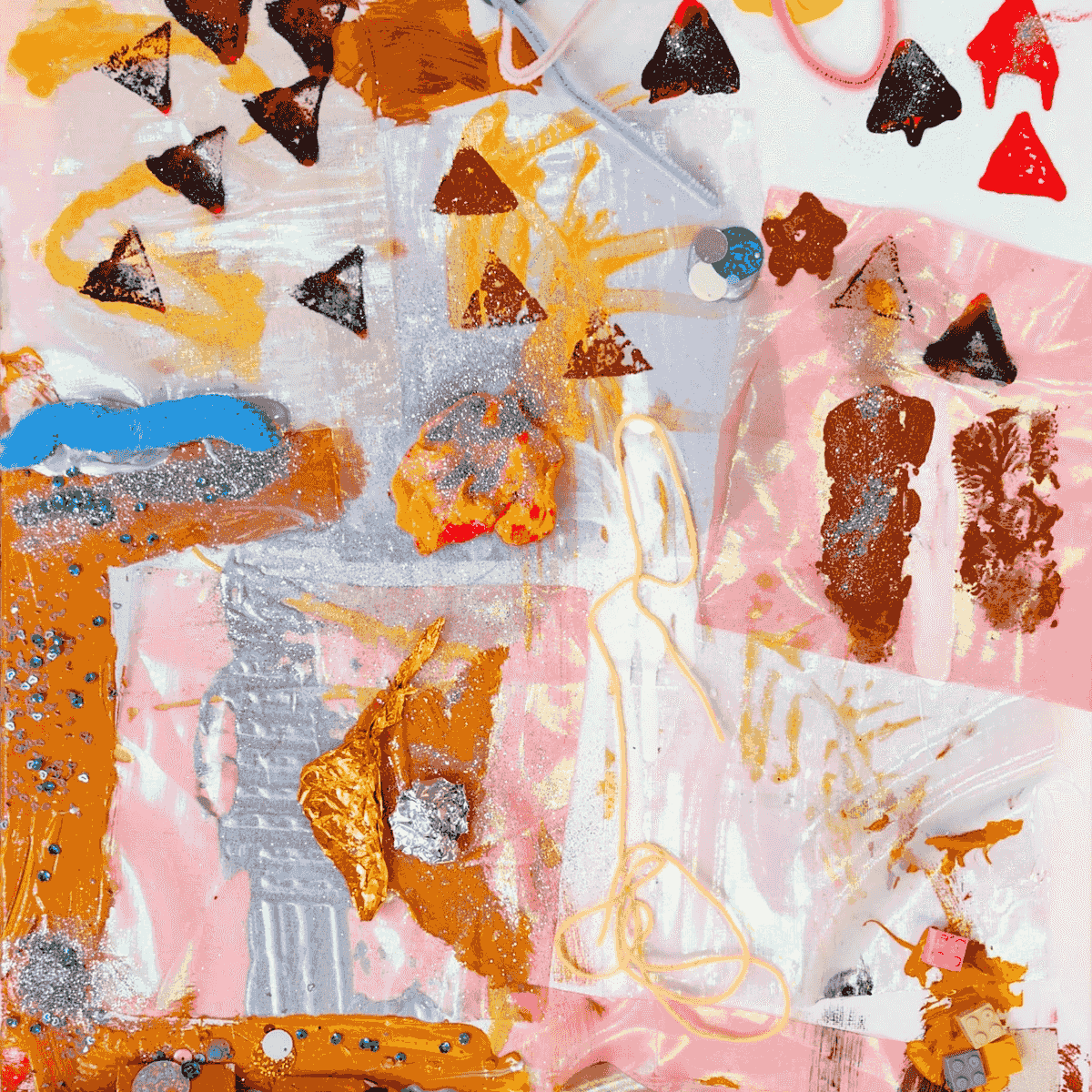
💡 Holistic Learning
Rejecting one-size-fits-all training,
with a focus on emotional expression, self-exploration, and expansive thinking.
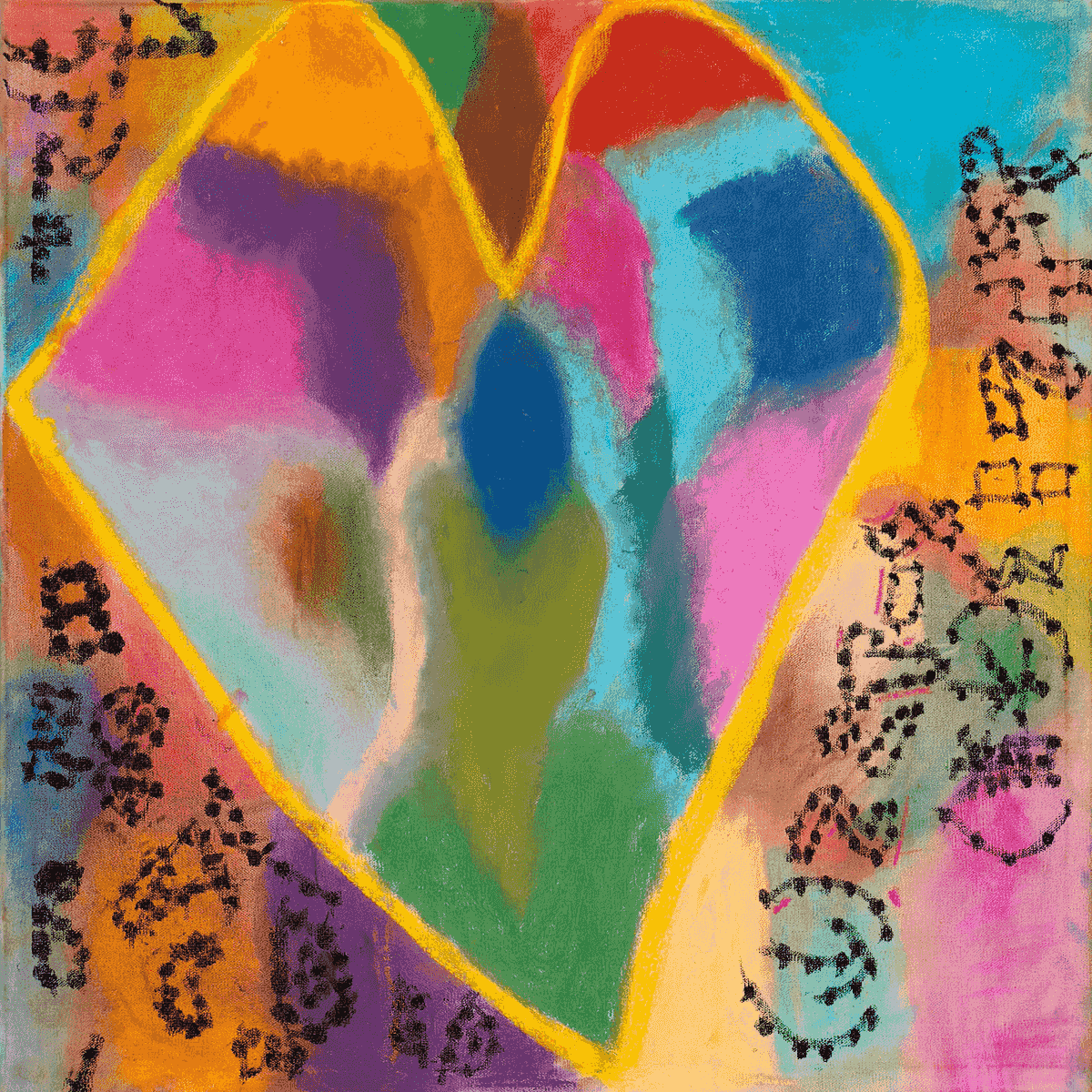
🗣️ Art as Dialogue
Encouraging students to engage with the world through the language of art, where every creation becomes an authentic voice from within.
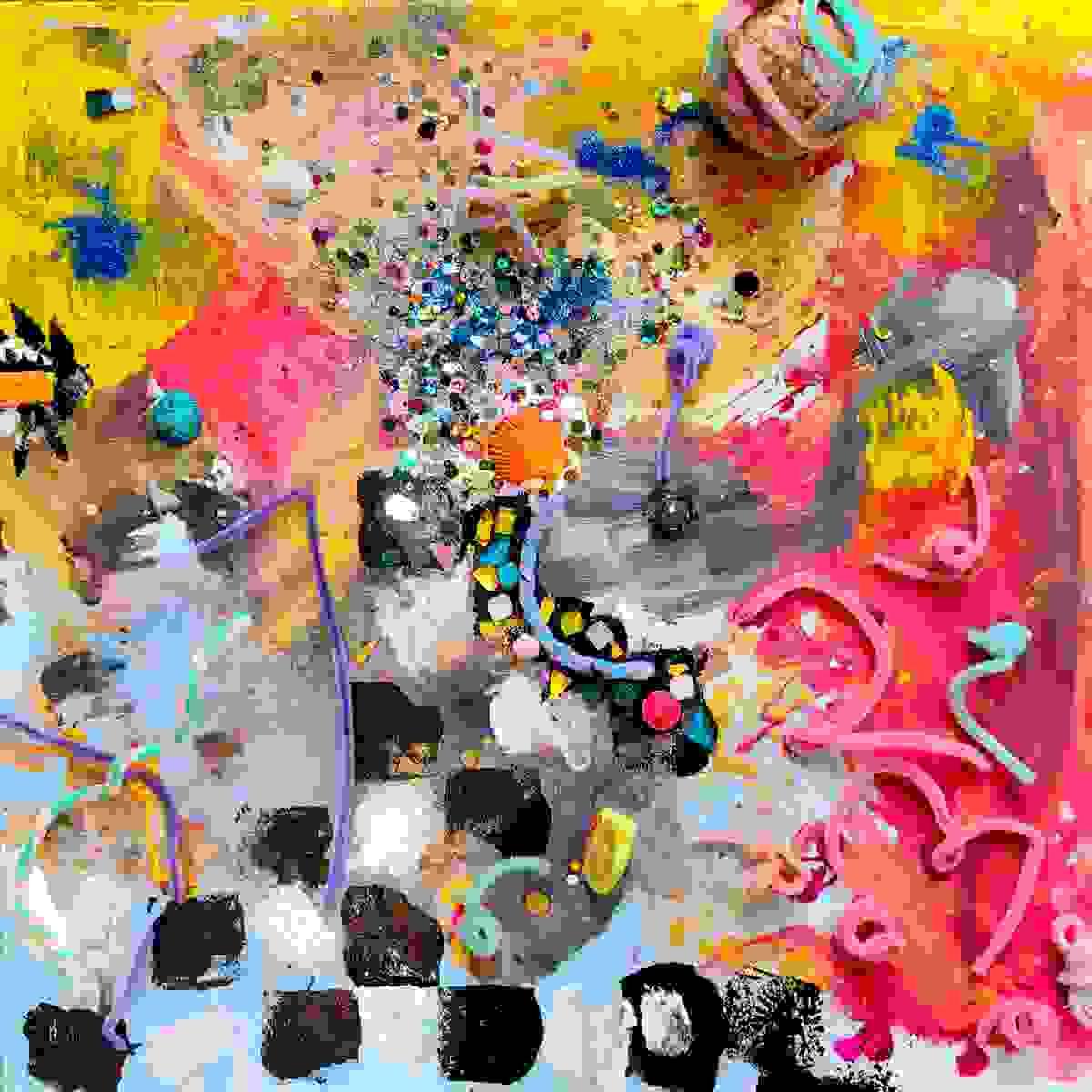
🌈 Empower & Exhibit
Regularly hosting art exhibitions to showcase student creations,
many of which have received international awards or been acquired by private collectors.The “Tri-Dimensional” Aesthetic Education Model
At Gallery Yoo, we go beyond technique. Our tri-dimensional model blends space, music, and movement to awaken deeper senses, inspiring children to reconnect with their imagination through multi-sensory expression.
At Gallery Yoo, art is not something you sit down to do — it's something you leap into, listen for, and walk through.
Space as Inspiration
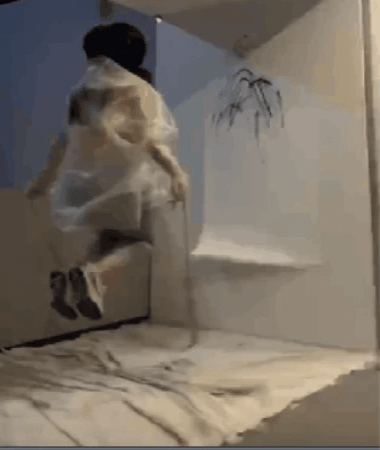
Children paint within mysterious ‘space blind boxes,’ where they encounter light, color, and form in ever-changing environments—transforming physical space into creative stimulus.
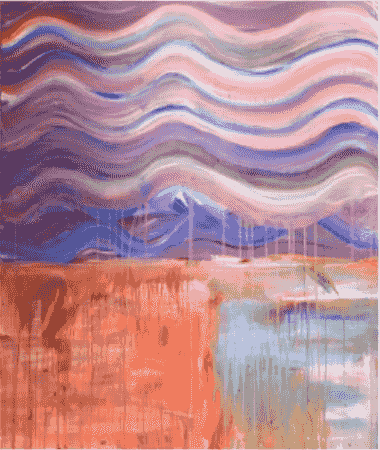
Music as Rhythm
Inspired by rhythm, harmony, and the mystery of sound, students learn to paint like composing music—transforming color and motion into emotional expression.
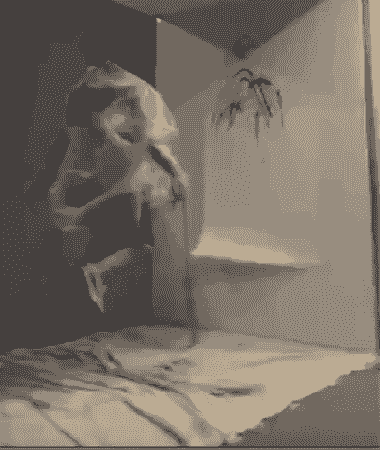
Movement as Expression
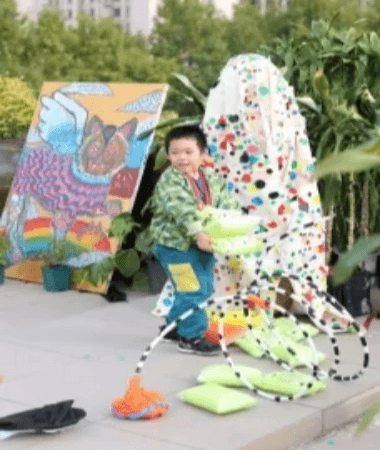
Through expressive movement—skipping, striking, flowing—children explore the raw rhythm of creation. Art becomes a dance, a catharsis, a celebration of being.
Bringing Young Voices to the World Stage —— Gallery Yoo’s Global Artistic Footprint
At Gallery Yoo, we don’t just nurture creativity — we give it wings. By collaborating with global art institutions, we empower our students to present their work to the world, transforming their ideas into international dialogue.
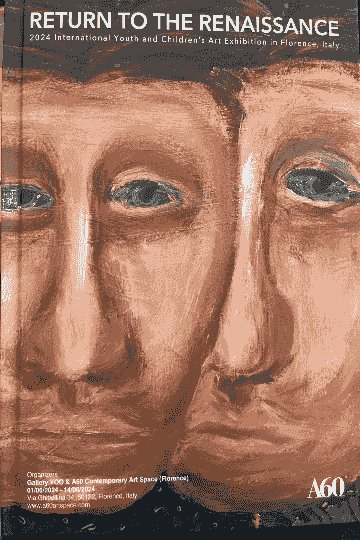
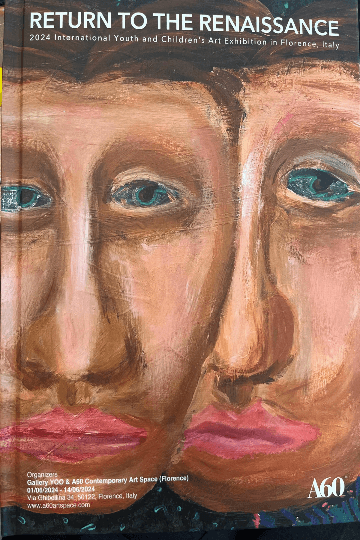
Return to the Renaissance — 2024 International Youth & Children Art Exhibition
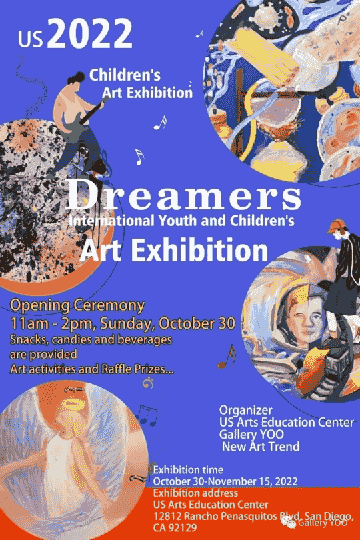
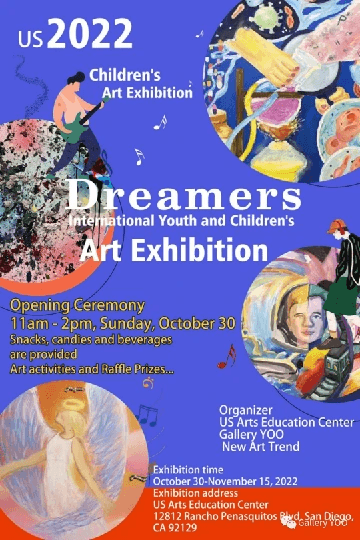
“Dreamers” – 2022 International Youth and Children's Art Exhibition
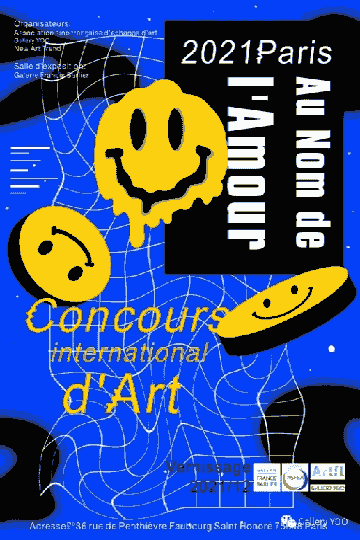
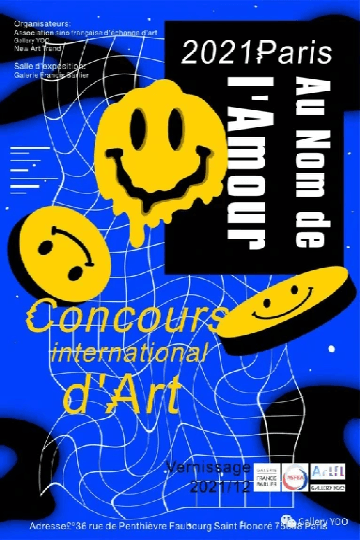
“In the Name of Love” – 2021 International Youth & Children Art Exhibition
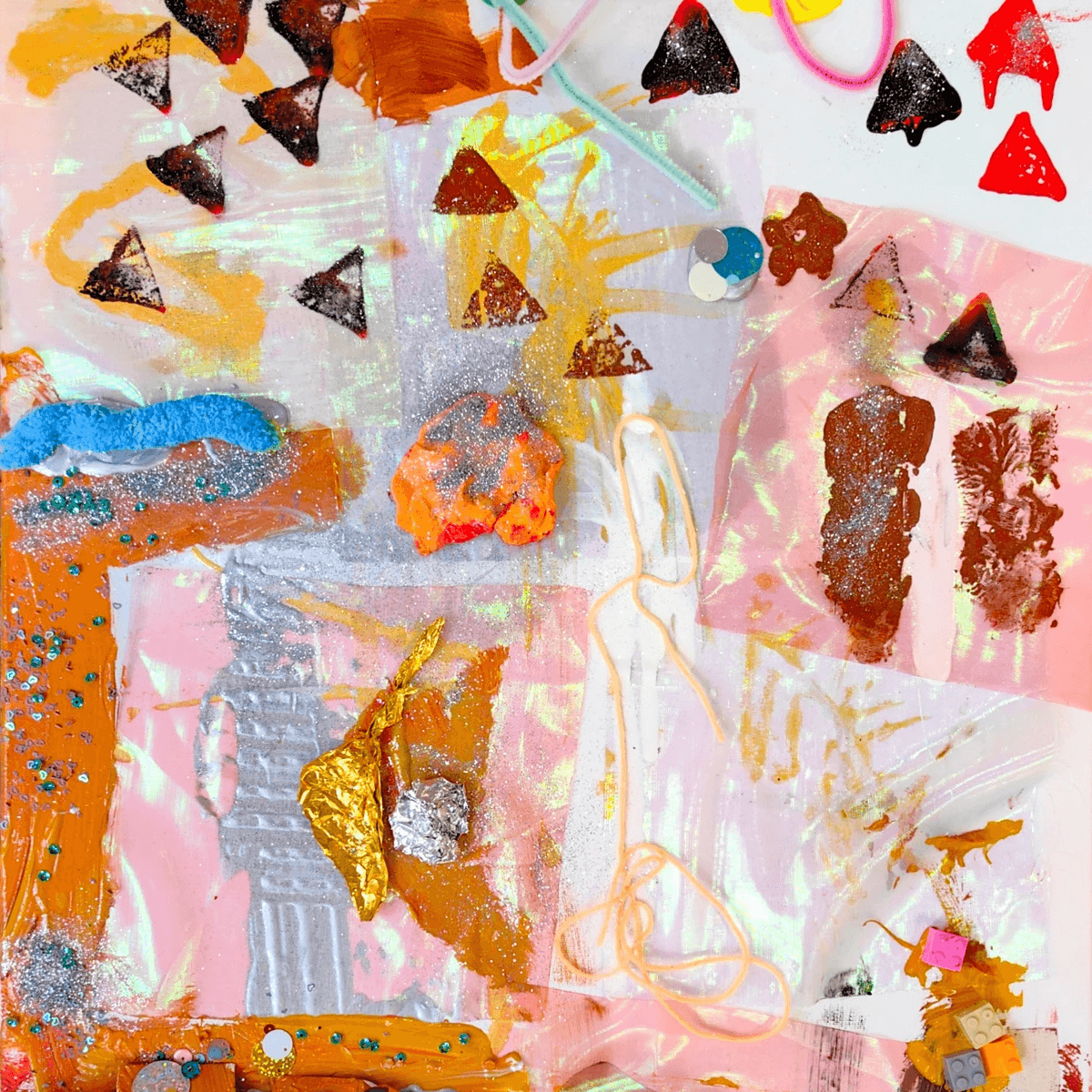
Our Founder’s Vision: Where Children and Art Truly Meet
“Not every child needs to become an artist — but every child deserves to explore themselves through art.”
— Chengying Pan, Founder of Gallery YooBefore founding Gallery Yoo, Chengying Pan held one clear belief: Art should not be limited to techniques — it should be a path for children to understand themselves, express their inner world, and grow as individuals.
She believes true art education doesn’t teach children to copy what they see, but to courageously imagine, express, and create from their unique point of view.
Rooted in her long-standing interest in art, philosophy, and child psychology, she developed a distinctive educational approach — blending artistic creation with emotional awareness, allowing every child to reconnect with their instincts and authentic self through art.
She strongly opposes standardized art training and instead promotes a creative environment where children experience unity between self and expression — where brush, body, and emotion flow together.
With that vision, she co-founded Gallery Yoo alongside like-minded partners, hoping to reshape the landscape of children’s art education in China, and inspire a new generation to create, feel, and see the world differently.
Want to learn more about Gallery Yoo?
Leave your contact info below and we’ll get in touch within 24 hours.